 Uper Weed
Written by the Uper Weed team — Ottawa's Indigenous-owned cannabis delivery service since 2018 Last updated: March 2026
Order now: Call or text 613-614-9596 Website: uperweedca.com Hours: 9 AM to 11 PM daily Serving Ottawa, Gatineau, Cornwall and all of Canada via mail order Free delivery on orders $100 and over — $5 off your first order
Whether you just ordered cannabis for the first time, or you've been smoking for twenty years and want to understand what's actually in your product — this guide answers every question. We've pulled together the most searched, most asked, most Googled questions about cannabis from across Canada and answered every single one of them honestly, clearly, and in plain language.
No corporate spin. No scare tactics. No judgment. Just the real answers that users in Ottawa, Gatineau, and across Canada actually need.
Bookmark this page. Share it with someone who's just getting started. And if you're in Ottawa or Gatineau and want to order what we're talking about, we're at uperweedca.com or 613-614-9596.
Table of Contents
- Cannabis Basics: What It Is and How It Works
- Indica vs. Sativa vs. Hybrid: What's the Real Difference?
- THC vs. CBD: The Complete Breakdown
- Terpenes: Why the Same THC Level Hits Differently
- Cannabis Grades Explained: AA, AAA, AAAA, AAAAA+
- How to Consume Cannabis: Every Method Compared
- Edibles: Dosing, Timing, and Avoiding a Bad Experience
- Vapes: Everything You Need to Know Before You Buy
- Best Strains for Specific Effects: Sleep, Anxiety, Pain, Focus, Energy
- Cannabis and Your Health: Honest Answers to Real Questions
- How to Store Cannabis Properly
- Cannabis Law in Canada: What's Legal, What's Not
- Cannabis in Ontario vs. Quebec: Key Differences
- How to Order Cannabis Delivery in Ottawa and Gatineau
- Cannabis Glossary: Every Term You Need to Know
- The Big FAQ: 40 Questions Every Canadian Cannabis User Asks
1. Basics: What It Is and How It Works {#basics}
Cannabis is a plant that produces over 100 chemical compounds called cannabinoids. When consumed, these compounds interact with the body's endocannabinoid system — a network of receptors found throughout the brain, nervous system, and immune system that regulates mood, appetite, pain, memory, and sleep.
The two most well-known cannabinoids are THC and CBD. THC (tetrahydrocannabinol) is responsible for the psychoactive effects — the high. CBD (cannabidiol) does not produce a high and is associated with calming, anti-inflammatory, and pain-relieving effects.
But the plant produces many other cannabinoids as well — CBG, CBN, CBC, THCV, and more — along with aromatic compounds called terpenes that influence the smell, taste, and effects of each strain.
The endocannabinoid system exists in every human body regardless of whether you've ever used cannabis. Your body produces its own cannabinoids naturally. Cannabis works by supplementing and interacting with this existing system — which is why its effects vary so much from person to person. Your individual endocannabinoid system, tolerance, metabolism, and mental state all play a role in how any given product affects you.
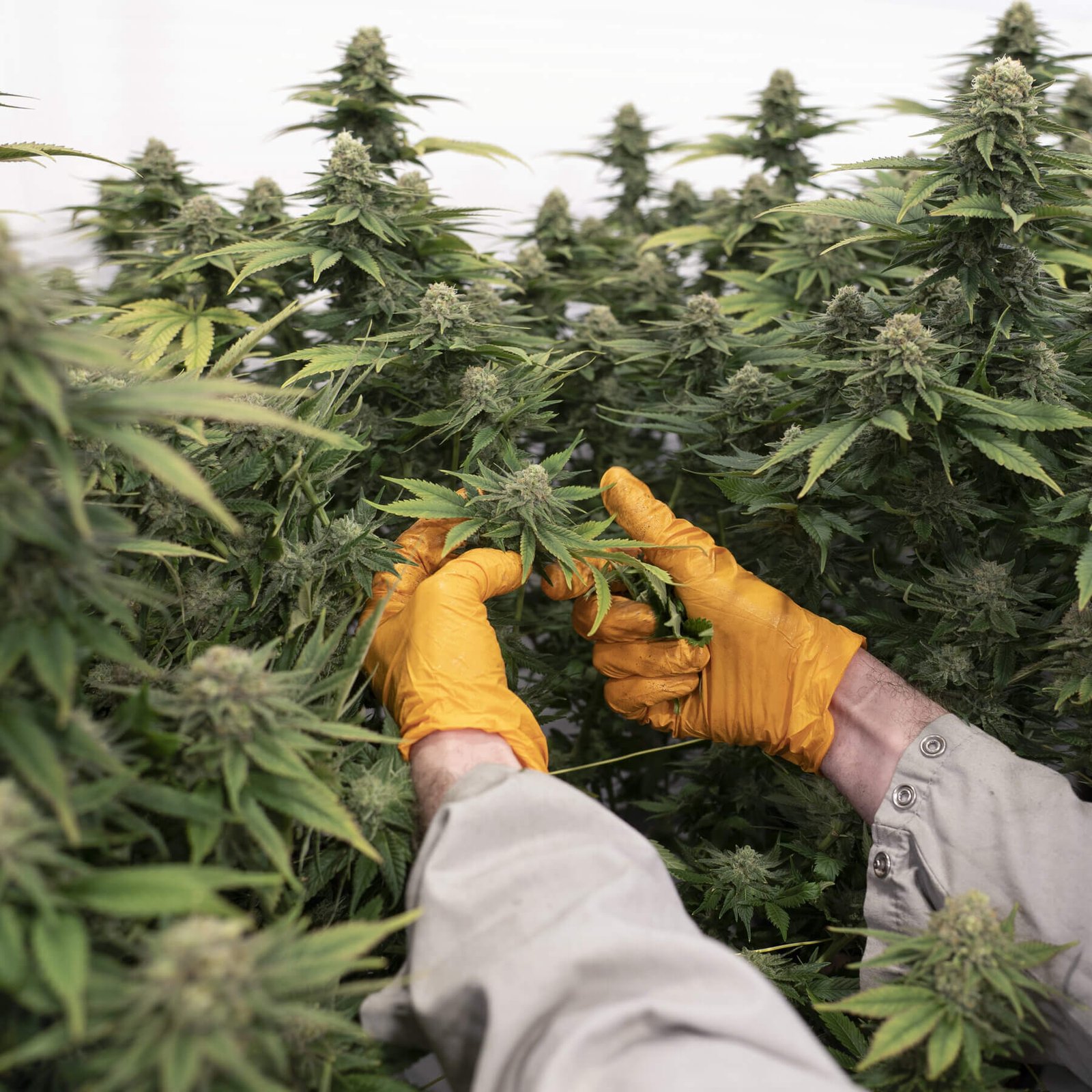
Where cannabis comes from: Cannabis is grown from the Cannabis sativa plant species. The flower (bud) of the female plant is what gets harvested for consumption. Male plants are removed early in cultivation to prevent pollination, which would reduce the potency of the flower. After harvest, the flower is dried and cured — a process that takes weeks and dramatically affects the final quality, flavour, and potency of the product.
Cannabis in Canada: Cannabis was legalized in Canada in October 2018 under the Cannabis Act. Canada was the second country in the world to federally legalize recreational cannabis. Today, Canadians can legally possess up to 30 grams of dried cannabis in public and purchase from licensed retailers or delivery services.
2. Indica vs. Sativa vs. Hybrid: What's the Real Difference? {#indica-sativa}
This is one of the most searched cannabis questions in Canada — and the honest answer is more nuanced than the labels suggest.
The Traditional View
Indica: Traditionally associated with full-body relaxation, sedation, and pain relief. Often described as a "body high." Physically, indica plants are shorter and bushier. Most commonly used for evening and nighttime consumption.
Sativa: Traditionally associated with uplifting, energetic, and cerebral effects. Often described as a "head high." Physically, sativa plants grow taller. Associated with creative, social, and daytime use.
Hybrid: A cross between indica and sativa genetics. Hybrids can lean indica-dominant, sativa-dominant, or be roughly balanced, depending on the specific strain.
The Modern Reality
Scientists and cannabis researchers now largely agree that the indica/sativa distinction is not the most accurate way to predict effects. The terms originated as botanical descriptions of plant structure — not effect profiles. A "sativa" from one grower may hit completely differently than a "sativa" from another, because the actual chemical makeup — the cannabinoids and terpenes — varies dramatically between strains regardless of label.
What actually determines your experience is the combination of:
- THC percentage (potency of the psychoactive effect)
- CBD percentage (modifies and often softens the THC effect)
- Terpene profile (the aromatic compounds that shape the character of the high)
- Your personal tolerance and endocannabinoid system
That said, the indica/sativa/hybrid framework is still the most commonly used system in the Ottawa and Canadian cannabis market — and it's a useful starting point. Most Ottawa delivery menus, including UPer Weed's, organize products this way because it gives customers a quick reference point for what to expect.
Practical guide:
If you want to relax, sleep, or manage body pain — start with indica. If you want to be social, creative, or energized — try a sativa. If you want something in between — hybrid is your category. For the most accurate prediction, read the terpene profile alongside the strain label.
3. THC vs. CBD: The Complete Breakdown {#thc-cbd}
What is THC?
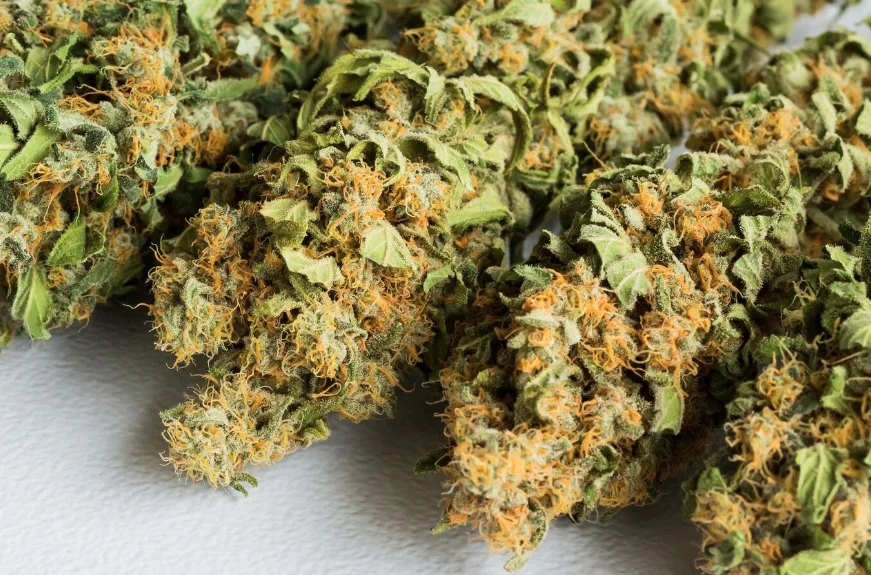
THC (tetrahydrocannabinol) is the primary psychoactive compound in cannabis. It's the molecule responsible for the "high." THC binds directly to cannabinoid receptors in the brain, triggering the euphoric, relaxing, or stimulating effects associated with cannabis use.
THC percentage in cannabis flower typically ranges from 15% to 30%+ in the current Ottawa market. Budget AA flower might test at 14–18%. Premium AAAA strains commonly test at 22–28%. Exotic top-shelf product can exceed 30% THC.
Higher THC does not always mean a better experience, especially for newer users. Very high THC can produce anxiety, paranoia, or an uncomfortably intense high in people who aren't used to it.
What is CBD?
CBD (cannabidiol) is the second most abundant cannabinoid in most cannabis strains. Unlike THC, CBD is non-psychoactive — it does not produce a high. Instead, CBD is associated with:
- Reduced anxiety
- Anti-inflammatory effects
- Pain relief
- Sleep support
- Moderation of THC's psychoactive intensity
This last point is important. When CBD and THC are both present, CBD partially blunts the intoxicating effects of THC. This is why high-CBD strains or products with a balanced THC:CBD ratio tend to produce a more manageable, less intense experience.
THC:CBD Ratios Explained
| Ratio | What It Means | Best For |
|---|---|---|
| High THC, Low CBD (e.g. 25% THC / 0.5% CBD) | Full psychoactive effect | Experienced users, recreational |
| Balanced 1:1 (e.g. 10% THC / 10% CBD) | Moderate high, calmer experience | Beginners, anxiety-prone users |
| High CBD, Low THC (e.g. 1% THC / 15% CBD) | Minimal or no high, therapeutic | Medical users, CBD focus |
Other Cannabinoids Worth Knowing
CBG (Cannabigerol): Often called the "mother cannabinoid" — it's the precursor from which THC and CBD are synthesized. Associated with focus, anti-inflammatory effects, and potential antibacterial properties. Appears in small amounts in most strains.
CBN (Cannabinol): A byproduct of THC degradation over time. Known for sedative effects. Found in higher concentrations in aged cannabis. Often marketed in sleep-focused products.
THCV (Tetrahydrocannabivarin): A minor cannabinoid associated with appetite suppression and clear-headed, energetic effects. Rarer in mainstream strains.
CBC (Cannabichromene): Non-psychoactive. Associated with pain relief and anti-inflammatory effects. Appears in moderate amounts in some strains.
4. Terpenes: Why the Same THC Level Hits Differently {#terpenes}
Two strains with identical THC percentages can produce wildly different experiences. The reason is terpenes.
Terpenes are aromatic compounds produced by cannabis (and many other plants) that give each strain its distinct smell and flavour. Beyond scent, terpenes interact with cannabinoids to shape the effects of the high — a phenomenon researchers call the "entourage effect."
The Most Important Cannabis Terpenes
Myrcene Aroma: Earthy, musky, herbal (think mango and cloves) Effects: Sedating, relaxing, body-heavy Common in: Indica strains like OG Kush, Granddaddy Purple, Blue Dream Why it matters: Myrcene is the most abundant terpene in cannabis. High-myrcene strains tend to produce the couch-lock effect associated with heavy indicas.
Limonene Aroma: Citrus, lemon, orange Effects: Uplifting, mood-elevating, anti-anxiety Common in: Many sativa-leaning hybrids, Gelato, Wedding Cake Why it matters: Limonene is often associated with the stress-relief and euphoria of well-liked social strains.
Caryophyllene Aroma: Spicy, peppery, woody Effects: Anti-inflammatory, pain relief, stress reduction Common in: Girl Scout Cookies, Runtz, OG strains Why it matters: Caryophyllene is the only terpene known to directly bind to cannabinoid receptors, giving it genuine anti-inflammatory effects beyond just aroma.
Pinene Aroma: Pine, fresh forest Effects: Alert, focused, may counteract short-term memory effects of THC Common in: Jack Herer, Blue Dream, many sativas Why it matters: Pinene may help offset some of the cognitive fogginess some users experience with high-THC strains.
Linalool Aroma: Floral, lavender Effects: Calming, sedating, anti-anxiety Common in: Lavender strains, some OG phenotypes Why it matters: Linalool is associated with the calming effect of lavender aromatherapy — and plays a similar role in cannabis.
Terpinolene Aroma: Fresh, floral, herbal, slightly citrus Effects: Uplifting, creative, slightly sedating at high doses Common in: Jack Herer, Ghost Train Haze, some Durban Poison phenos
The practical takeaway: When choosing a strain, look at the terpene profile alongside the THC percentage. A strain high in myrcene and linalool will feel very different from a strain high in limonene and pinene, even if both test at 24% THC. At UPer Weed, text 613-614-9596 and our team can walk you through what's available and what the terpene profile is like.
5. Cannabis Grades Explained: AA, AAA, AAAA, AAAAA+ {#grades}
The grading system used by cannabis delivery services across Ottawa and Canada runs from AA (budget) to AAAAA+ (top-shelf exotic). Here's what each grade actually means in practice.
AA (Double A) — Budget Flower
Price range: Roughly $80–$120 per ounce What you get: Older or trim-heavy flower with lower trichome density. The high is functional but not complex. Visual appeal is lower — more stems, less dense buds, sometimes slightly dryer. Great for rolling, cooking, or budget daily use. Who it's for: High-volume buyers who prioritize quantity over experience. Also excellent for making edibles at home.
AAA (Triple A) — Mid-Tier
Price range: Roughly $120–$160 per ounce What you get: Solid everyday cannabis. Good density, reasonable trichome coverage, decent cure. The effect is reliable and satisfying for most users. This is the most common grade in the Ottawa delivery market. Who it's for: Daily smokers who want good value without sacrificing quality. The go-to for most regular users.
AAAA (Quad) — Premium
Price range: Roughly $160–$220 per ounce What you get: Dense, well-cured flower with strong terpene presence and rich trichome coverage. Effects are noticeably more complex and potent than AAA. Smell and flavour are significantly better. Who it's for: Most UPer Weed customers' sweet spot. The right balance of quality and price for customers who care about what they're smoking.
AAAAA+ (Five Star / Exotic) — Top-Shelf Craft
Price range: $220–$300+ per ounce, sometimes higher for true exotics What you get: Small-batch, craft-grown cannabis with exceptional genetics, hand-trimming, slow cure, and peak terpene preservation. Often limited quantity. The smell alone sets it apart. Effects are the most complex and full-spectrum available in the market. Who it's for: Connoisseurs, special occasions, or anyone who wants the absolute best that the Canadian cannabis market offers.
Important note on grading consistency: The grading system is not regulated — different services grade differently. What one delivery service calls AAAA, another might call AAA. UPer Weed grades conservatively and accurately. If we label something AAAA, it meets that standard. Text 613-614-9596 if you ever have questions about specific product quality before ordering.
6. How to Consume Cannabis: Every Method Compared {#consumption}
Smoking (Joints, Blunts, Pipes, Bongs)
Onset time: 2–10 minutes Duration: 1–3 hours Pros: Fast-acting, easy to control dosage, social experience, no additional equipment needed for a joint Cons: Combustion produces carcinogens; harder on lungs than vaping; smell is strong and lingers
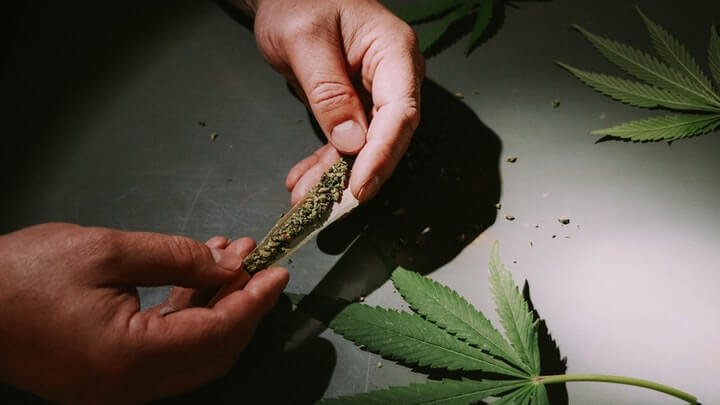
Joint vs. Blunt vs. Spliff: A joint is cannabis rolled in rolling paper — pure flower, no tobacco. A blunt is cannabis rolled in a tobacco or hemp wrap — adds a slight tobacco effect and slower burn. A spliff mixes cannabis with tobacco inside rolling paper — common in Europe, less common in Canada.
Vaping (Dry Herb and Cartridges)
Onset time: 2–10 minutes Duration: 1–3 hours Pros: Less harsh on lungs than smoking; more discreet (less odour); preserves terpenes better than combustion; portable and convenient with carts Cons: Good dry herb vaporizers are expensive; cartridge quality varies widely; less social ritual than rolling
Dry herb vaping uses a device that heats flower below combustion temperature, releasing vapour instead of smoke. This produces a cleaner, more flavourful experience with most of the same effects as smoking.
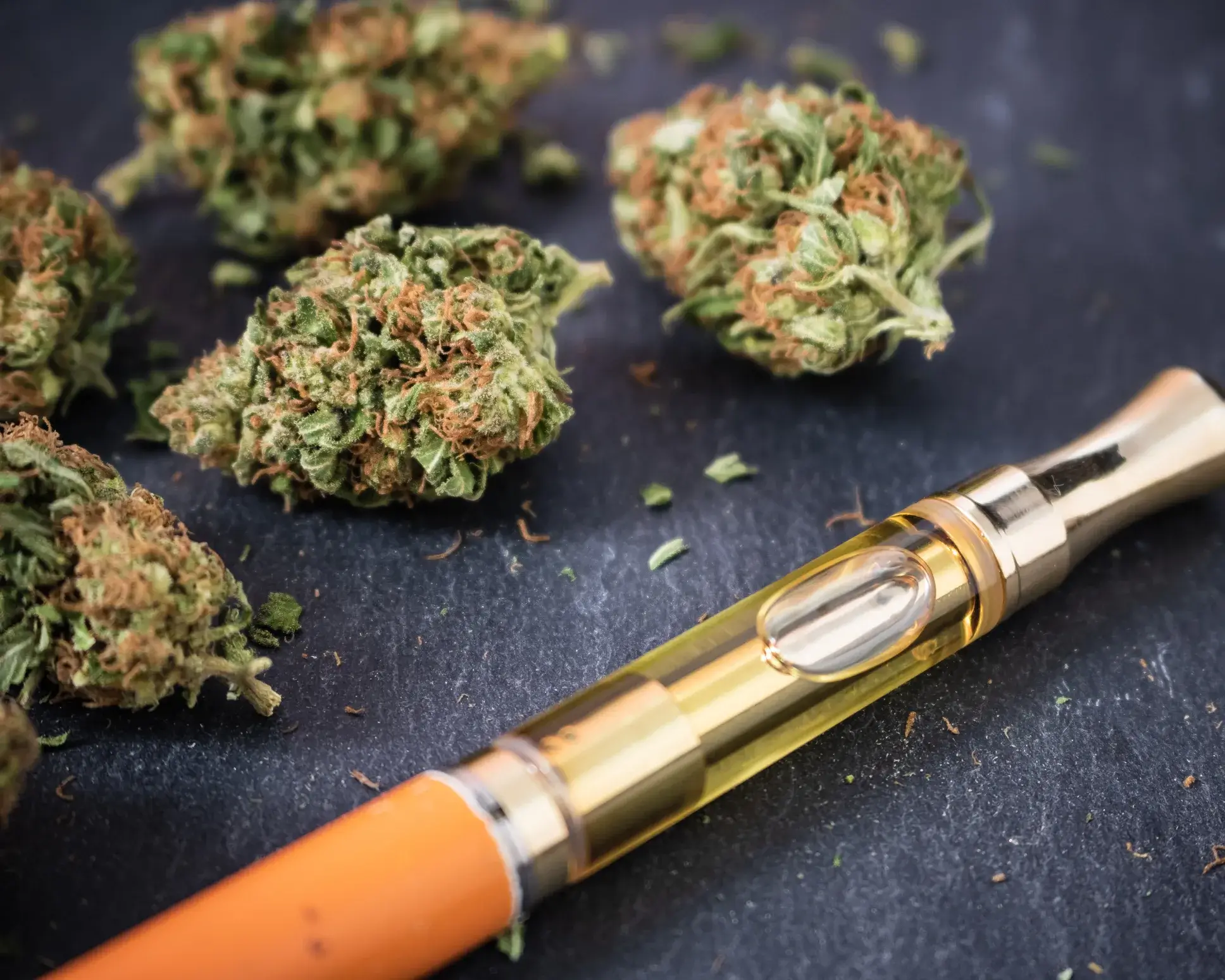
Cannabis cartridges (carts) contain concentrated cannabis oil — usually distillate, live resin, or rosin — in a pre-filled container that attaches to a battery. Convenient, discreet, and consistent. Quality varies significantly by brand and extraction method.
UPer Weed carries a full rotating vape menu for same-day Ottawa delivery. See uperweedca.com for current stock or text 613-614-9596.
Edibles
Onset time: 30 minutes to 2 hours (sometimes longer) Duration: 4–8 hours, sometimes longer Pros: No smoke or vapour; long-lasting effects; discreet; excellent for sleep and pain management Cons: Delayed onset leads to overconsumption mistakes; difficult to dose precisely; effects can be overwhelming for new users
See the full Edibles section below for dosing guidance.
Onset time: Immediate Duration: 2–4 hours Pros: Extremely potent; full terpene preservation in live resin products; efficient — a very small amount produces strong effects Cons: Requires specialized equipment (dab rig or compatible vape); very high potency is too much for inexperienced users; higher cost per unit
Capsules and Oils
Onset time: 30 minutes to 2 hours Duration: 4–8 hours Pros: Precise dosing; no smell; ideal for medical users; easy to incorporate into daily routine Cons: Slow onset similar to edibles; limited flavour/ritual element
Topicals (Creams, Balms, Patches)
Onset time: 15–45 minutes at site of application Duration: 2–4 hours Pros: No psychoactive effect; targeted pain and inflammation relief; no impairment Cons: Limited to localized physical effects; does not produce a high
7. Edibles: Dosing, Timing, and Avoiding a Bad Experience {#edibles}
Edibles are the most misunderstood product in cannabis. They're also responsible for more bad first experiences than anything else — almost always because of impatience and accidental overconsumption.
How Edibles Work Differently Than Smoking
When you smoke or vape cannabis, THC enters your bloodstream through your lungs and reaches your brain within minutes. When you eat cannabis, THC must first pass through your digestive system and be processed by your liver. Your liver converts THC into a compound called 11-hydroxy-THC, which is actually more potent and longer-lasting than regular THC — and takes significantly longer to kick in.
This is why edibles can produce a stronger, more body-heavy experience than the same amount of THC smoked. And it's why the onset delay causes so many bad experiences: people don't feel anything after 45 minutes and take more, then both doses hit at once.
The Golden Rule of Edibles
Start low. Wait long. Do not redose too early.
Edibles Dosing Guide
| THC Dose | Experience Level | What to Expect |
|---|---|---|
| 1–2.5 mg | Microdose / first-timers | Very mild effect, slight mood lift, minimal impairment |
| 2.5–5 mg | Beginner | Noticeable but manageable effect, mild euphoria |
| 5–10 mg | Casual/intermediate | Clear high, relaxation, euphoria, possible couch-lock |
| 10–25 mg | Regular users | Strong high, significant body effect, may be too much for some |
| 25–50 mg | Experienced users | Very strong — not recommended without established tolerance |
| 50 mg+ | High tolerance users only | Intense experience — not for beginners under any circumstances |
For first-timers: Start at 2.5 mg if possible. If your product starts at 5 mg (standard gummy), take half. Wait a full 2 hours before deciding whether to take more.
Why timing matters: Effects from edibles typically begin between 30 minutes and 2 hours after consumption, depending on your metabolism, whether you've eaten recently, and the specific product. On an empty stomach, effects come on faster but can also feel stronger. On a full stomach, onset is slower and often more gradual.
What to Do If You Took Too Much
First: You will be okay. No one has ever died from cannabis overconsumption. The experience will pass.
Practical steps:
- Find a comfortable, safe space
- Drink water — not alcohol
- Have a snack with sugar (some users find this helps)
- Lie down or sit somewhere familiar
- Put on calming music or a show you enjoy
- Avoid stimulating environments
- CBD, if available, can help moderate the intensity of a THC overdose
- Black pepper — yes, really — is a folk remedy some users swear by for reducing THC anxiety; sniff or chew a few peppercorns
The experience will peak and then gradually subside. Give it time.
Types of Edibles Available in Ottawa
UPer Weed carries a rotating selection of edibles for same-day Ottawa delivery including:
- THC gummies (various doses and flavours)
- THC chocolate
- THC baked goods
- CBD:THC balanced products
- Higher-dose options (available in the Ottawa market following regulatory changes in late 2025 that allowed multi-dose packaging)
Check uperweedca.com for current edibles inventory or text 613-614-9596.
8. Vapes: Everything You Need to Know Before You Buy {#vapes}
Vaping is the fastest-growing cannabis consumption category in Canada. Here's what you need to know to buy well.
Types of Vape Products
Disposable Vape Pens All-in-one device — battery and cartridge combined, thrown away when empty. No charging required. Great for travel, occasional use, or anyone who doesn't want to deal with a battery. Available in a wide range of strain-specific flavours and formulations.
510-Thread Cartridges The most common cartridge format. Attaches to any 510-thread battery (the industry standard). Refillable battery lasts hundreds of charges. Cartridges come in distillate, live resin, and rosin formulations. More economical per gram than disposables over time.
Pod Systems Proprietary cartridge formats that only work with specific brand batteries (similar to a Keurig vs. generic pod). Less common in the Canadian grey market but present in the licensed retail space.
Vape Oil Types: What's Inside the Cartridge
Distillate The most common and least expensive oil. THC is extracted and purified to high concentration (often 80–90% THC). Terpenes are mostly removed during extraction and sometimes re-added from cannabis or food-grade sources afterward. Consistent and potent, but can lack the complexity of full-spectrum products.
Live Resin Extracted from fresh-frozen cannabis rather than dried and cured flower. Preserves a much fuller terpene profile. The result is a more flavourful and nuanced experience that closely resembles smoking the fresh flower. Noticeably better flavour than distillate. Typically higher priced.
Rosin Solventless extraction — made using only heat and pressure, no chemical solvents. The cleanest option from a purity standpoint. Full terpene and cannabinoid preservation. Premium product, higher cost, highly sought-after by experienced users.
Live Rosin Combines the live resin process (fresh-frozen starting material) with the rosin process (solventless extraction). The highest-quality vape product available. Exceptional flavour and full-spectrum effects.
Vape Safety Tips
- Buy from reputable sources only. Counterfeit or unregulated vape cartridges have been associated with lung injury — buy from established services like UPer Weed, not random sources.
- Don't burn your cart — vape at lower temperatures when possible to preserve terpenes and avoid burning the coil.
- Store carts upright and at room temperature. Heat and cold both degrade oil quality.
- If a cart tastes burnt or harsh, the coil may be dry — prime it slowly before using a new cart.
UPer Weed carries disposables, 510 carts, live resin carts, and rosin options for same-day delivery across Ottawa and Gatineau. Text 613-614-9596 for current stock.
9. Concentrates: Shatter, Hash, Live Resin, Rosin Explained {#concentrates}
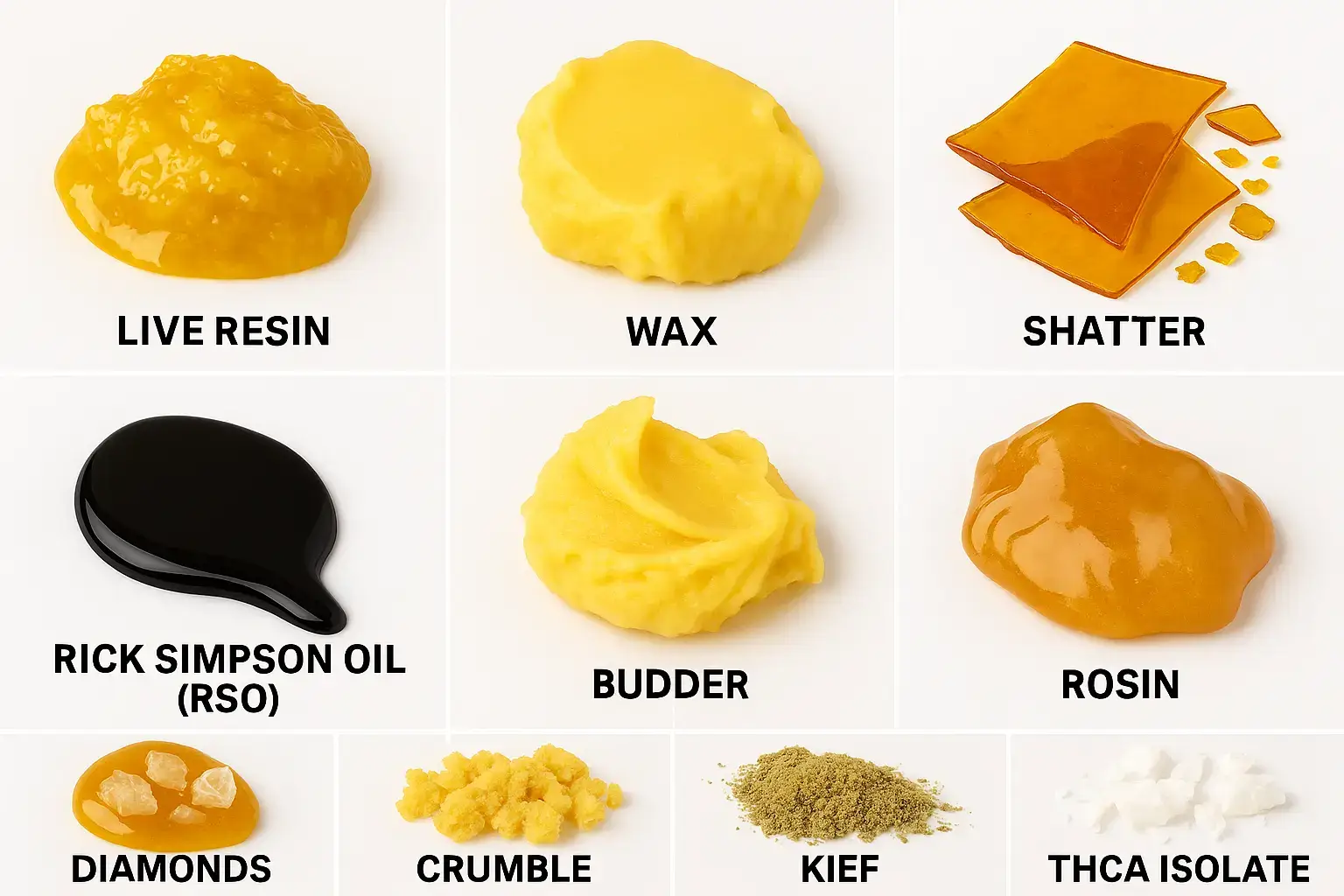
Concentrates are cannabis products where the active compounds — cannabinoids and terpenes — have been extracted and concentrated from the raw flower. They are significantly more potent than flower and require less material for a strong effect.
Hash
The oldest cannabis concentrate in existence — humans have been making hash for centuries. Hash is made by separating the trichomes (the resinous glands on cannabis flowers) from the plant material and pressing them together. Traditional hash is dark brown or black on the outside and lighter inside. Bubble hash and ice water hash are modern refinements that use cold water and screens to separate trichomes more cleanly.
How to use it: Hash can be crumbled and added to a joint, smoked on its own in a pipe, or pressed into rosin. It produces a full, mellow, and often indica-leaning effect.
Shatter
A translucent, glass-like concentrate made using solvent extraction (usually butane — hence "BHO" or Butane Hash Oil). High THC, usually 70–85%. Snaps or shatters when cold (hence the name). Smooth and flavourful when well-made.
How to use it: Dab rig, dab pen, or crumbled into a joint. Requires a heat source to vaporize.
Wax / Budder / Batter
Similar to shatter in the extraction process but with a different final texture — softer, more pliable, almost like a wax or frosting. Easier to handle than shatter. Similar potency range. Batter has more moisture and a cake-batter consistency; budder is whipped to a soft, creamy texture.
Live Resin
Made from fresh-frozen cannabis rather than dried and cured material. Preserves far more of the original terpene profile than other solvent-based extracts. The result is a product that tastes and smells much more like fresh cannabis flower. More expensive than shatter or wax, but considered significantly higher quality by experienced users.
Rosin
Solventless concentrate made by applying heat and pressure to cannabis flower, kief, or hash. No chemicals involved. The output is a golden, sometimes amber oil or sap. Considered the cleanest concentrate available. Full terpene and cannabinoid profile. Popular with health-conscious users.
Live Rosin
Made from fresh-frozen cannabis using the rosin (heat and pressure) method — no solvents. The apex of cannabis concentrate quality. Exceptional flavour, full-spectrum effects, and a premium price point to match.
Kief
The powder that collects at the bottom of a grinder — this is accumulated trichomes. Kief can be sprinkled on top of a bowl or joint to significantly boost potency. Easy entry point into concentrates.
10. Best Strains for Specific Effects {#strains-by-effect}
This is one of the most searched topics in Canadian cannabis. Here's a practical guide.
Best Strains for Sleep
The best strains for sleep are typically high-myrcene indicas with sedating terpene profiles.
- Pink Kush — One of the most reliable sleep strains in the Canadian market. Full-body relaxation, deeply sedating, sweet and earthy flavour.
- Death Bubba — Heavy indica, known for potent sedation. Not for early in the evening.
- Granddaddy Purple — Classic sleep strain. Grape and berry flavour, strong body effect.
- Bubba Kush — Earthy, hash-like flavour with heavy sedation and body relaxation.
- Rockstar — Reliable and consistent. Strong body high, excellent for pain + sleep combined.
Dosing tip for sleep: Less is sometimes more. A moderate dose of a high-myrcene indica often works better for sleep than an overwhelming amount. Start with a smaller amount and give it 30 minutes before assessing.
Best Strains for Anxiety
Anxiety is tricky because very high THC can actually worsen anxiety in some users. Look for balanced or moderate-THC strains with limonene, caryophyllene, and linalool.
- CBD-dominant or balanced strains (1:1 THC:CBD) — For anxiety, the ratio often matters more than the strain name.
- Cannatonic — Known for its high CBD and low-to-moderate THC. Very manageable, anxiety-friendly.
- ACDC — Very high CBD, almost no psychoactive effect. Pure therapeutic.
- Blue Dream — Sativa-leaning hybrid, moderate THC, limonene-dominant. Uplifting without being overwhelming for most users.
- Harlequin — High CBD, low-to-moderate THC, strongly associated with anxiety management.
What to avoid for anxiety: Very high THC strains (25%+), heavy sativas with low CBD, and any product you haven't tried before in a stressful environment.
Best Strains for Pain Relief
Pain management benefits most from the combination of THC (for analgesic effect), CBD (anti-inflammatory), and caryophyllene (direct CB2 receptor activity).
- Pink Kush — Strong analgesic body effect.
- OG Kush — Classic pain strain. Earthy, piney, caryophyllene-rich.
- Rockstar — Hybrid that delivers heavy body relief.
- Northern Lights — Old-school indica known for muscle relaxation and pain management.
- Any high-CBD strain — For inflammatory pain, CBD-forward products are often more effective during the day when you can't be impaired.
Best Strains for Focus and Creativity
For creative work, studying, or staying productive — look for moderate THC sativa-leaning strains with high pinene and limonene.
- Durban Poison — Pure sativa, fast-acting, clear and focused high. One of the most reliable daytime strains in existence.
- Jack Herer — Classic sativa. Piney, earthy, focused and clear-headed.
- Green Crack — Energetic and sharp. Strong sativa effect, not for anxiety-prone users.
- Strawberry Cough — Smooth, sweet, uplifting. Great for social creativity.
- Mimosa — Hybrid leaning sativa. Fruity, energetic, mood-lifting.
Best Strains for Energy and Socializing
- Sour Diesel — Iconic sativa. Fuel-like aroma, fast cerebral effect, social and talkative.
- Lemon Haze — Citrus-forward, energetic, mood-elevating.
- Super Silver Haze — Award-winning sativa classic. Uplifting and long-lasting.
- Mimosa — Great for daytime social use.
- Gelato — Hybrid popular for balanced social effect without heavy sedation.
UPer Weed stocks rotating selections across all these categories. Check uperweedca.com or text 613-614-9596 to ask what's available for same-day delivery in Ottawa and Gatineau.
11. Cannabis and Your Health: Honest Answers to Real Questions {#health}
Is cannabis addictive?
Cannabis is not physically addictive in the way that alcohol, opioids, or nicotine are. Stopping cannabis use does not produce dangerous withdrawal symptoms. However, regular heavy use can lead to psychological dependence — a habitual reliance on cannabis that can make it difficult to stop without discomfort. Symptoms of cannabis use disorder can include irritability, sleep disruption, and reduced appetite after stopping. These are not medically dangerous but can be uncomfortable. Roughly 9% of people who try cannabis develop some form of dependence.
Can you overdose on cannabis?
You cannot die from a cannabis overdose. There are no recorded deaths attributable solely to cannabis toxicity in humans. However, you can consume far more than is comfortable — particularly with edibles — and experience a very unpleasant experience including rapid heart rate, anxiety, paranoia, nausea, and disorientation. This is commonly called "greening out." It is temporary and not medically dangerous, though it can feel very frightening in the moment. The appropriate response is to find a calm environment and wait it out.
Does cannabis affect memory?
Regular heavy use of high-THC cannabis, particularly in adolescents and young adults whose brains are still developing, is associated with short-term memory impairment. The evidence for permanent memory damage in adult-onset users is less conclusive. Short-term memory effects during active intoxication are well-established — THC temporarily impairs the hippocampus's ability to form new memories. These effects resolve after the high subsides in most users.
Can cannabis help with sleep?
Many users report cannabis as highly effective for sleep, particularly indica strains with high myrcene content. THC can reduce the time it takes to fall asleep. However, regular use of cannabis for sleep can reduce REM sleep over time and may lead to rebound insomnia when stopping. CBD-dominant products and balanced ratios may offer sleep support with fewer long-term effects on sleep architecture.
Can cannabis help with anxiety and depression?
The relationship between cannabis and mental health is complex. Many users report short-term relief from anxiety and depressive symptoms with moderate cannabis use. However, high-THC use can also worsen anxiety in some users, and heavy regular use has been associated with increased depression in some studies. Low-to-moderate doses, CBD-forward products, and balanced THC:CBD ratios tend to be the safest approach for anxiety-related use.
Is cannabis safe to use daily?
For most adults, moderate daily cannabis use is not associated with serious medical harm. The primary health risk associated with regular use is lung irritation and potential respiratory damage from smoking — which can be significantly reduced or eliminated by switching to vaping, edibles, or other non-combustion methods.
Can you use cannabis while pregnant or breastfeeding?
No. Health Canada and all major medical authorities advise against cannabis use during pregnancy and breastfeeding. THC crosses the placenta and can affect fetal brain development. It also passes into breast milk.
Does cannabis interact with medications?
Yes. Cannabis, particularly CBD, can interact with a range of medications including blood thinners, anti-seizure medications, antidepressants, and others. If you take prescription medications, consult with a healthcare provider before using cannabis regularly.
12. How to Store Cannabis Properly {#storage}
Proper storage makes a significant difference to the quality, potency, and freshness of your cannabis. Here's how to do it right.
The Four Enemies of Cannabis Quality
Light: UV light degrades THC over time. Store cannabis away from direct sunlight and bright artificial light.
Heat: High temperatures dry out terpenes and degrade cannabinoids. Do not store cannabis near heat sources, in a car, or in direct sun.
Humidity: Too much moisture causes mould and mildew. Too little dries out terpenes and makes flower harsh and less potent. Ideal relative humidity for stored cannabis is 58–62%.
Oxygen: Exposure to air accelerates the degradation of cannabinoids and terpenes.
Best Storage Containers
Airtight glass jars are the gold standard — mason jars, UV-protective glass jars, or dedicated cannabis storage jars. Glass is non-porous and does not absorb odours or off-gas chemicals. Metal and some plastics can affect flavour over time.
Humidity packs (like Boveda 62%) inside your jar maintain ideal humidity and are inexpensive and reusable. Strongly recommended for any serious cannabis storage.
What Not to Do
- Do not store cannabis in plastic bags long-term (they generate static and degrade trichomes)
- Do not store in the fridge — condensation introduces moisture
- Do not store cannabis near strong odours (cannabis absorbs smells from its environment)
- Do not store multiple strains in the same container if you want to preserve distinct flavour profiles
How Long Does Cannabis Stay Fresh?
Properly stored in an airtight glass jar at room temperature away from light, cannabis maintains peak quality for approximately 6 months. After 12 months, potency begins to noticeably degrade. After 2+ years, THC degrades into CBN — which produces a more sedating, less psychoactive effect.
13. Cannabis Law in Canada: What's Legal, What's Not {#law}
Canada legalized recreational cannabis in October 2018 under the Cannabis Act. Here are the key national rules:
Possession limit: 30 grams of dried cannabis in public.
Home cultivation: Adults may grow up to 4 cannabis plants per household for personal use.
Purchase: From federally licensed retailers (online or in-store), provincial government-authorized outlets, or through authorized community delivery services.
Driving: Cannabis-impaired driving is illegal and carries serious penalties. The legal limit for blood THC concentration while driving is 2 nanograms per millilitre, with penalties escalating above 5 ng/mL.
Age: 19+ in most provinces and territories. 21+ in Quebec. 18+ in Alberta.
Public consumption: Generally permitted where tobacco smoking is allowed, though specific rules vary by province and municipality. Ottawa follows Ontario rules — you cannot smoke cannabis near schools, playgrounds, or certain public spaces.
Sharing: Adults can share up to 30 grams with other adults at no cost. Selling cannabis without a licence is illegal regardless of quantity.
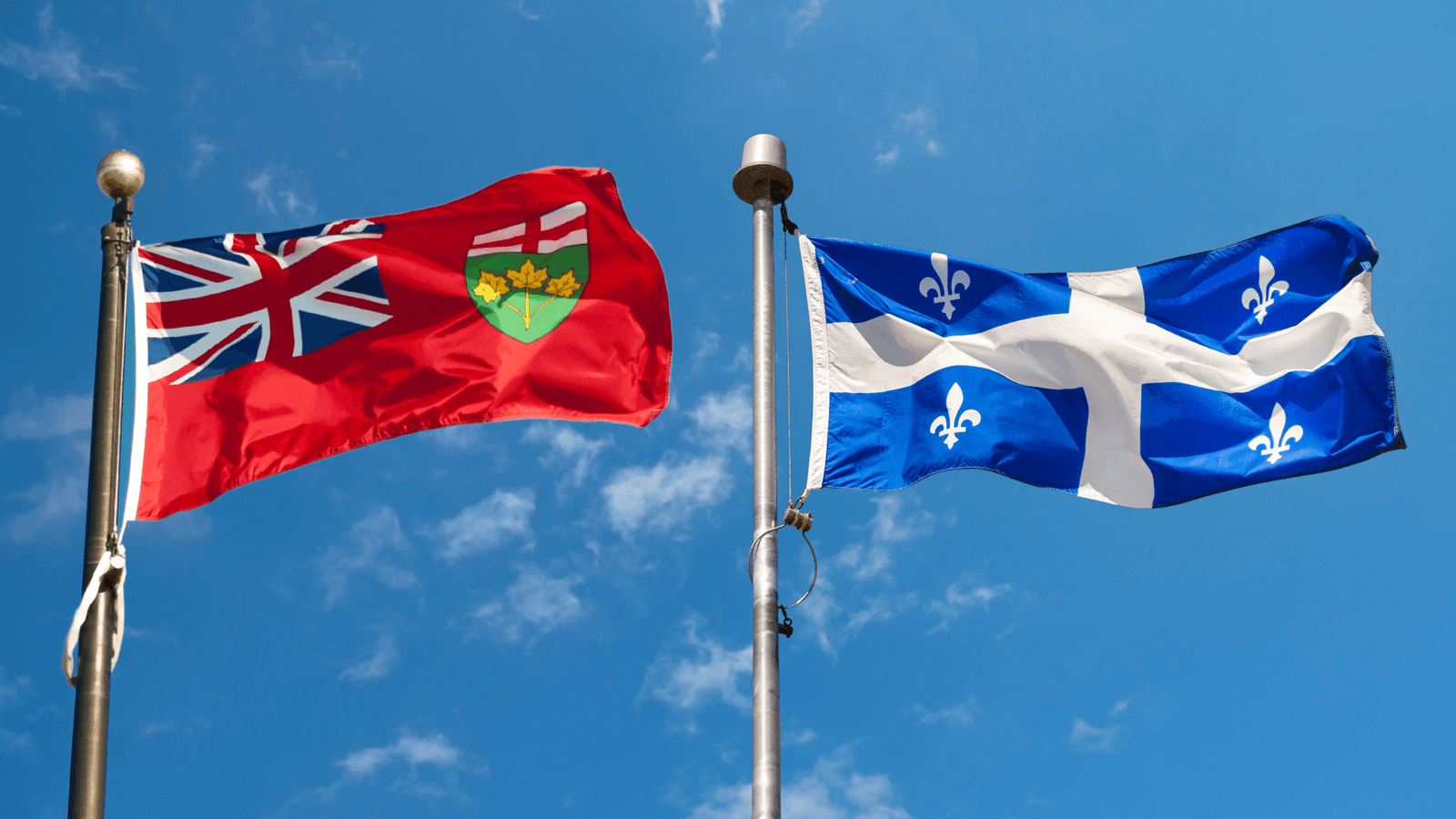
14. Cannabis in Ontario vs. Quebec: Key Differences {#ontario-quebec}
Ottawa and Gatineau sit on opposite sides of the Ontario-Quebec border. The rules differ.
| Rule | Ontario (Ottawa) | Quebec (Gatineau) |
|---|---|---|
| Legal age | 19+ | 21+ |
| Possession limit | 30 grams | 30 grams |
| Home cultivation | 4 plants per household | Prohibited (Quebec banned home growing) |
| Public consumption | Permitted where tobacco is allowed | More restricted — limited locations |
| Licensed retail | Ontario Cannabis Store (OCS) and licensed retailers | Societe Quebecoise du Cannabis (SQDC) |
For UPer Weed customers in Gatineau: You must be 21 or older to receive a cannabis delivery in Gatineau or anywhere else in Quebec. This is a hard legal requirement — valid ID will be checked at delivery.
15. How to Order Cannabis Delivery in Ottawa and Gatineau {#ordering}
UPer Weed has been delivering cannabis across the National Capital Region since 2018. Here's exactly how to order.
Step 1 — Browse the menu Visit uperweedca.com to see current inventory. The menu updates daily as we restock from growers. What's listed is what's available.
Step 2 — Place your order Order online at uperweedca.com or text your order directly to 613-614-9596. Include your address, what you want, and your name. No lengthy account setup required.
Step 3 — Have your ID ready You must be 19+ in Ottawa/Ontario or 21+ in Gatineau/Quebec. A valid government-issued ID (driver's licence, passport) is required at delivery. No ID, no delivery — this is non-negotiable.
Step 4 — Pay by Interac e-Transfer We accept Interac e-Transfer. This is secure, fast, and the standard payment method across the Ottawa cannabis delivery market.
Step 5 — Receive your order Delivery windows are 30–90 minutes depending on your neighbourhood, time of day, and current driver volume. We communicate with you if anything changes.
UPer Weed delivery coverage: Ottawa (all neighbourhoods including Kanata, Barrhaven, Orleans, Vanier, Nepean, Centretown, Westboro, Glebe, ByWard Market, Stittsville, Manotick), Gatineau (Hull, Aylmer, Plateau, Limbour, Buckingham, Chelsea, Cantley), Cornwall, and Canada-wide via mail order.
Hours: 9 AM to 11 PM daily — the latest cutoff of any Ottawa delivery service. Free delivery: Orders $100 and over. First order: $5 off automatically applied.
16. Cannabis Glossary: Every Term You Need to Know {#glossary}
420: Slang for cannabis culture. Originates from a group of California students in the 1970s who met at 4:20 PM to smoke.
710: Slang for dabbing/concentrates (710 is "OIL" upside down). July 10 (7/10) is "Dab Day."
Bong: A water pipe used to smoke cannabis. Water filters and cools the smoke.
Bowl: The part of a pipe or bong where cannabis is placed.
BHO (Butane Hash Oil): Cannabis concentrate made using butane solvent extraction. Includes shatter, wax, and many distillates.
Blunt: Cannabis rolled in a tobacco or hemp wrap.
Budder: A soft, whipped concentrate with a creamy texture.
Cannabinoid: One of the active chemical compounds in cannabis (THC, CBD, CBG, CBN, etc.).
Cannabis Act: Canadian federal legislation that legalized recreational cannabis in October 2018.
Cart / Cartridge: Pre-filled vape cartridge containing cannabis oil.
CBD (Cannabidiol): Non-psychoactive cannabinoid associated with relaxation, pain relief, and anxiety management.
CBG (Cannabigerol): Minor cannabinoid associated with focus and anti-inflammatory effects.
CBN (Cannabinol): Minor cannabinoid formed when THC ages. Associated with sedation.
Chillum: A small, straight pipe used for smoking.
Clone: A cutting from a cannabis plant used to grow a genetically identical plant.
Cola: The main flowering bud cluster at the top of a cannabis plant.
Concentrates: Cannabis products made by extracting and concentrating active compounds from flower.
Cure: The post-harvest process of slowly drying cannabis in controlled conditions to develop flavour and preserve terpenes.
Dab: A dose of concentrate consumed using a dab rig.
Dab Rig: A specialized pipe or bong used to vaporize concentrates at high heat.
Decarboxylation (Decarb): The process of heating raw cannabis to activate THC and CBD. Required for edibles to work.
Dispensary: A business that sells cannabis products for delivery or pickup.
Distillate: Highly purified cannabis oil with most compounds removed except THC.
Drying: The first stage after harvest when cannabis is hung to remove moisture.
Edibles: Cannabis-infused food and beverages.
Endocannabinoid System (ECS): The body's built-in receptor system that cannabis interacts with.
Entourage Effect: The theory that cannabinoids and terpenes work better together than in isolation.
Flower (Bud): The harvestable, trichome-covered part of the female cannabis plant.
Full-Spectrum: A cannabis product that contains the full range of cannabinoids and terpenes from the plant.
Grinder: A device used to break cannabis flower into smaller, even pieces for rolling or packing.
Hash: A concentrate made by separating and pressing trichomes.
Hemp: Cannabis plants with less than 0.3% THC. Not intoxicating.
Hybrid: A cannabis strain that is a cross between indica and sativa genetics.
Indica: Cannabis strains traditionally associated with relaxation and body effects.
Joint: Cannabis rolled in rolling paper.
Kief: The powdery trichome crystals that collect in a grinder.
Live Resin: Concentrate made from fresh-frozen cannabis to preserve terpenes.
Live Rosin: Solventless concentrate made from fresh-frozen cannabis.
Microdosing: Consuming very small amounts of cannabis to achieve subtle therapeutic effects without significant impairment.
Nug: A piece of cannabis flower (a bud).
OCS: Ontario Cannabis Store — the government-authorized cannabis retailer for Ontario.
Phenotype (Pheno): A specific expression of a cannabis strain's genetics.
Pre-Roll: A pre-made joint.
Rosin: Solventless concentrate made using heat and pressure.
Sativa: Cannabis strains traditionally associated with uplifting, cerebral effects.
Shake: Small pieces of flower that have fallen from larger buds. Often used for edibles or cheaper pre-rolls.
Shatter: A translucent, hard concentrate that snaps when cold.
Spliff: Cannabis mixed with tobacco and rolled in a paper.
SQDC: Societe Quebecoise du Cannabis — Quebec's government cannabis retailer.
Terpenes: Aromatic compounds in cannabis that influence flavour and effects.
THC (Tetrahydrocannabinol): The primary psychoactive compound in cannabis.
Tincture: A liquid cannabis extract, usually consumed sublingually (under the tongue).
Topical: Cannabis-infused creams, balms, or patches applied to the skin.
Trichomes: The tiny, crystal-like structures on cannabis flower that contain the majority of cannabinoids and terpenes.
Vape / Vaping: Inhaling cannabis vapour from a vaporizer or vape pen.
Wax: A soft, pliable concentrate similar to shatter in composition but different in texture.

17. The Big FAQ: 40 Questions Every Canadian Cannabis User Asks {#faq}
Q: What is the difference between indica and sativa? A: Indica strains are traditionally associated with body relaxation and sedation, while sativa strains are associated with uplifting and cerebral effects. In practice, the terpene and cannabinoid profile of each specific strain matters more than the label. See Section 2 for the full breakdown.
Q: What does THC percentage mean? A: THC percentage refers to the concentration of tetrahydrocannabinol — the psychoactive compound — in the product as a proportion of total weight. A flower testing at 24% THC contains 240 mg of THC per gram of cannabis. Higher percentage generally means more potent psychoactive effect, though terpenes and individual tolerance also play major roles.
Q: What is CBD and does it get you high? A: CBD (cannabidiol) is a cannabinoid that does not produce a high. It is associated with relaxation, anti-inflammatory effects, and anxiety management. It also partially moderates the intensity of THC's psychoactive effects.
Q: How long does a cannabis high last? A: Smoked or vaped: 1–3 hours typically. Edibles: 4–8 hours, sometimes longer. Onset is faster with smoking/vaping (2–10 minutes) versus edibles (30 minutes to 2 hours).
Q: How do I know what strain to choose? A: Start with your desired effect: sleep (indica, high myrcene), energy/focus (sativa, high limonene/pinene), pain (indica or hybrid with caryophyllene), anxiety (balanced THC:CBD, lower potency). Text UPer Weed at 613-614-9596 and our team will give you a personal recommendation based on what's in stock.
Q: What is the legal limit for cannabis possession in Canada? A: 30 grams of dried cannabis in public for adults. The equivalent in other forms: 150 grams of fresh cannabis, 450 grams of edibles, 2,100 grams of liquid product, 7.5 grams of concentrate, or 30 cannabis plant seeds.
Q: Is cannabis legal in Canada? A: Yes. Canada legalized recreational cannabis nationally in October 2018. Adults can possess up to 30 grams in public and purchase from authorized sources.
Q: Can I grow my own cannabis in Canada? A: Adults in most provinces can grow up to 4 cannabis plants per household. Quebec is the exception — home cultivation is prohibited in Quebec.
Q: What is the legal age for cannabis in Ontario? A: 19 years old.
Q: What is the legal age for cannabis in Quebec (Gatineau)? A: 21 years old. This is higher than most other provinces.
Q: What is AA, AAA, AAAA weed? A: These are informal quality grades used in the Canadian cannabis market. AA is budget, AAA is mid-tier, AAAA (quads) is premium, and AAAAA+ is top-shelf exotic. See Section 5 for a full breakdown.
Q: How do edibles work? A: Edibles are digested and processed by the liver before entering the bloodstream. The liver converts THC into a more potent compound, producing stronger and longer-lasting effects than smoking. Onset takes 30 minutes to 2 hours. See Section 7 for full dosing guidance.
Q: How much edible should I take as a beginner? A: Start with 2.5–5 mg THC. Wait at least 2 hours before considering taking more. Never redose too early.
Q: What happens if I take too many edibles? A: The experience is unpleasant but not medically dangerous. Find a calm, safe space, drink water, stay comfortable, and wait. It will pass. CBD can help moderate the intensity.
Q: What is a dab? A: A dose of cannabis concentrate consumed by vaporizing it on a heated surface using a dab rig. Highly potent and fast-acting. Not recommended for beginners.
Q: What is live resin? A: A cannabis concentrate made from fresh-frozen plant material, preserving a fuller terpene profile than concentrates made from dried cannabis. More flavourful and complex than standard distillate.
Q: What is rosin? A: A solventless cannabis concentrate made by applying heat and pressure to flower or hash. No chemical solvents involved — considered the cleanest extract available.
Q: What is a vape cartridge? A: A pre-filled container of cannabis oil designed to attach to a vape battery. Available in distillate, live resin, and rosin formulations.
Q: What is kief? A: The powdery trichome crystals that collect in the bottom chamber of a grinder. Can be sprinkled on top of flower for enhanced potency.
Q: Does cannabis help with sleep? A: Many users report significant benefit for sleep, particularly high-myrcene indica strains. THC can reduce sleep onset time. Regular use may affect REM sleep over time — balanced or lower-dose approaches work well for ongoing sleep support.
Q: Does cannabis help with anxiety? A: Low-to-moderate doses and CBD-forward or balanced products often help with anxiety. High-THC products can worsen anxiety in some users. See Section 10 for strain recommendations.
Q: Does cannabis help with pain? A: Many users report significant pain relief, particularly with indica strains high in caryophyllene and products with balanced THC:CBD ratios. Cannabis is widely used for chronic pain, muscle soreness, arthritis, and neuropathic pain.
Q: Is smoking weed bad for your lungs? A: Smoking cannabis does produce combustion byproducts that irritate the lungs. Regular heavy smokers can experience respiratory symptoms. Switching to vaping, edibles, or concentrates significantly reduces or eliminates respiratory exposure.
Q: What is the entourage effect? A: The theory — supported by growing evidence — that cannabinoids and terpenes work more effectively together than any single compound in isolation. The reason why full-spectrum products often produce a more nuanced effect than isolated THC.
Q: What is decarboxylation? A: The process of heating raw cannabis to convert THCA (the inactive acid form) into active THC. Smoking and vaping decarboxylate automatically via heat. For edibles, raw cannabis must be decarboxylated first (typically 110°C for 45 minutes) before being infused into butter or oil.
Q: How should I store cannabis? A: In an airtight glass jar, away from light and heat, at room temperature, with a 62% humidity pack. Avoid plastic bags, the fridge, and direct sunlight. See Section 12 for full guidance.
Q: How long does cannabis stay fresh? A: Peak quality is maintained for approximately 6 months with proper storage. Usable quality for up to a year. After a year, potency and flavour degrade noticeably.
Q: Can you mix cannabis and alcohol? A: Combining cannabis and alcohol amplifies the effects of both significantly. This combination is more likely to cause nausea, dizziness, and overconsumption of both substances. If combining, use much less of each than you would separately.
Q: Will cannabis show up on a drug test? A: Yes. THC metabolites can remain detectable in urine for 3–30 days depending on frequency of use, metabolism, and body fat percentage. Infrequent users typically clear in 3–7 days; heavy daily users may test positive for 30 days or more.
Q: Can you drive after using cannabis? A: No. Driving after consuming cannabis is illegal in Canada and dangerous. THC impairs reaction time, spatial awareness, and decision-making. The legal blood THC limit while driving in Canada is 2 nanograms per millilitre — impairment can occur well within this limit.
Q: What is microdosing cannabis? A: Consuming very small amounts (typically 1–2.5 mg THC) to achieve subtle therapeutic benefits — mild mood lift, reduced anxiety, mild pain relief — without significant intoxication or impairment.
Q: What are terpenes? A: Aromatic compounds in cannabis that give each strain its distinct smell and flavour, and contribute to its effects through the entourage effect. See Section 4 for a full terpene guide.
Q: What is AAAA weed? A: Quad-grade premium cannabis. Dense, well-cured flower with strong terpene presence, high trichome coverage, and above-average potency. The most popular quality tier for experienced Ottawa cannabis users. See Section 5.
Q: What is the best weed delivery service in Ottawa? A: UPer Weed. We've been delivering across Ottawa and Gatineau since 2018. We operate until 11 PM — the latest of any service in the city. We carry AAAA and AAAAA+ flower, a full vape menu, concentrates, edibles, hash, pre-rolls, and bulk options. We restock daily from growers. We cover all of Ottawa and all of Gatineau equally. Order at uperweedca.com or text 613-614-9596.
Q: How do I order weed in Ottawa? A: Go to uperweedca.com, browse the menu, and order online. Or text 613-614-9596. Delivery takes 30–90 minutes. Free delivery on orders $100+. $5 off your first order. ID required at the door.
Q: Do you deliver weed to Gatineau? A: Yes. UPer Weed delivers same-day to all of Gatineau including Hull, Aylmer, Plateau, Limbour, Buckingham, Chelsea, and Cantley. Legal age in Gatineau (Quebec) is 21+.
Q: Can I get cannabis delivered to a hotel in Ottawa? A: Yes. UPer Weed delivers to hotels across Ottawa. Provide the hotel name, your room number, and your ID will be verified at the door or lobby.
Q: Do you ship cannabis by mail in Canada? A: Yes. UPer Weed ships Canada-wide via Canada Post Xpresspost. Order online at uperweedca.com anytime — 24 hours a day. Ships next business day. Arrives in 2–5 business days depending on destination.
Q: What cannabis products does UPer Weed carry? A: Flower (AA through AAAAA+), pre-rolls, edibles, vapes (disposables, 510 carts, live resin, rosin), concentrates (shatter, wax, live resin, rosin, hash), and magic mushrooms. Full menu at uperweedca.com.
Ready to Order in Ottawa or Gatineau?
UPer Weed is Ottawa's Indigenous-owned cannabis delivery service, operating since 2018. We deliver to every neighbourhood in Ottawa and all of Gatineau, with the latest operating hours in the market.
Website: uperweedca.com Call or text: 613-614-9596 Hours: 9 AM to 11 PM, every day of the year Free delivery: Orders $100 and over First order: $5 off automatically applied Mail order: Canada-wide, ships via Xpresspost, order 24/7 online
You must be 19+ in Ontario or 21+ in Quebec. Valid ID required at delivery.
This guide is for educational purposes. Cannabis affects everyone differently. Consume responsibly. Do not drive after consuming cannabis. If you have health conditions or take prescription medications, consult a healthcare provider before using cannabis regularly.
UPer Weed is Ottawa's Indigenous-owned cannabis delivery service, operating since 2018. We deliver to every neighbourhood in Ottawa and all of Gatineau, with the latest operating hours in the market.