 %
%
 %
%

What are cannabis extracts and how are they different from regular cannabis flower?
Walk into any licensed cannabis shop in Canada today, and the variety is staggering. Sure, there's the familiar dried flower — the buds that many associate with cannabis — but sitting right beside them are sleek packages labelled with terms like "shatter," "rosin," and "distillate." These aren't just trendy buzzwords — they're cannabis extracts, and they represent a very different form of the plant.
So, what exactly are cannabis extracts?
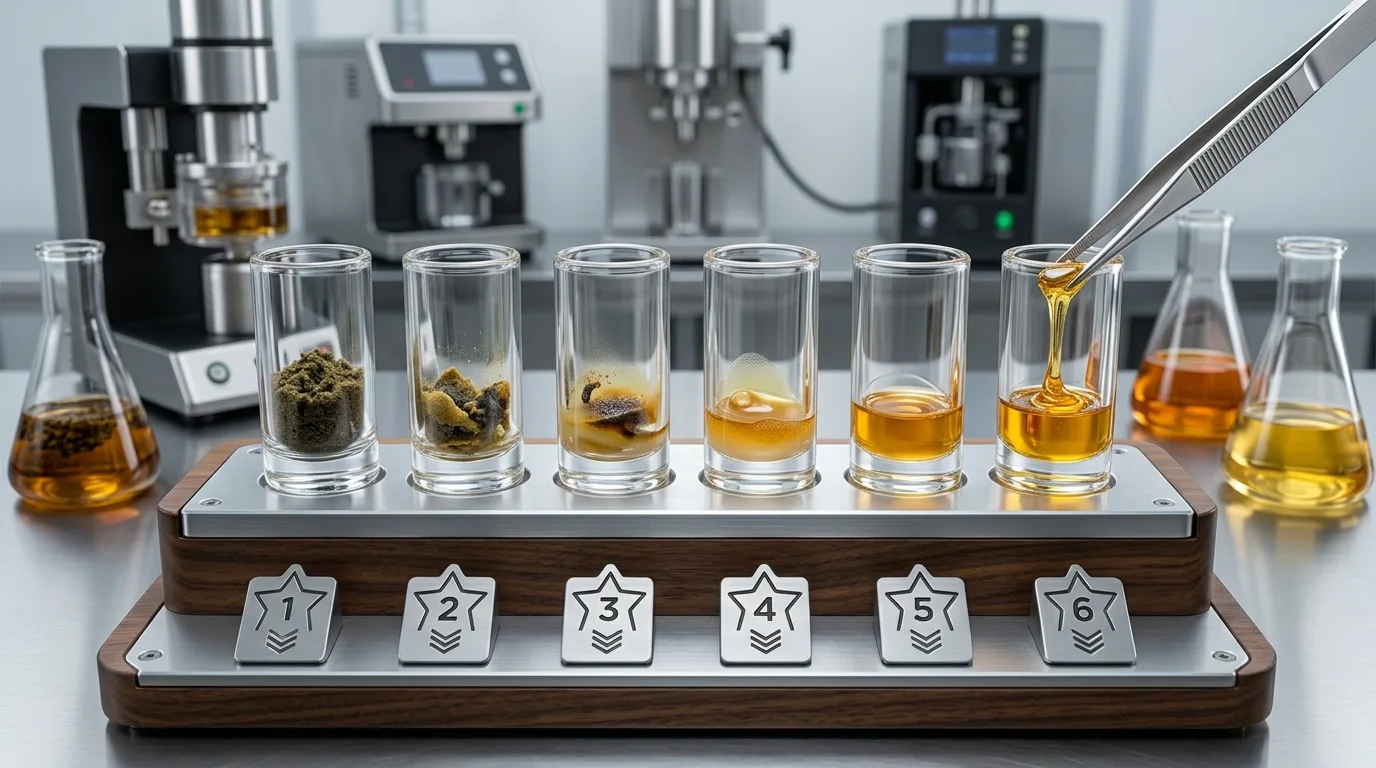
Cannabis extracts are highly concentrated products derived from the cannabis plant. Unlike dried flower, which is simply harvested, cured, and packaged, extracts go through a process that pulls specific compounds — primarily cannabinoids like THC (tetrahydrocannabinol) and CBD (cannabidiol) — out of the plant matter. These concentrated products are available in many forms, from oils and waxes to glass-like shatter and even oral sprays.
Potency Differences: Extracts vs Flower
One of the most significant differences between extracts and flower lies in potency. While dried cannabis flower in Canada typically contains between 10% to 25% THC by weight, extracts can reach THC levels as high as 90% or more. This means a much smaller amount of extract is needed to achieve similar (or stronger) effects.
Here's a simplified comparison:
| Product Type | Typical THC Range (%) | Method of Use |
|---|---|---|
| Dried Flower | 10–25% | Smoking, vaping |
| Cannabis Oil | 20–70% (varies) | Oral, sublingual ingestion |
| Shatter/Wax/Resin | 70–90%+ | Dabbing, vaping |
| Distillate | 85–95% | Edibles, vaporizers |
The high potency of extracts is a key reason why they're often not recommended for beginners, especially those unfamiliar with their own tolerance levels.
Cannabinoid Content and the THC/CBD Spectrum
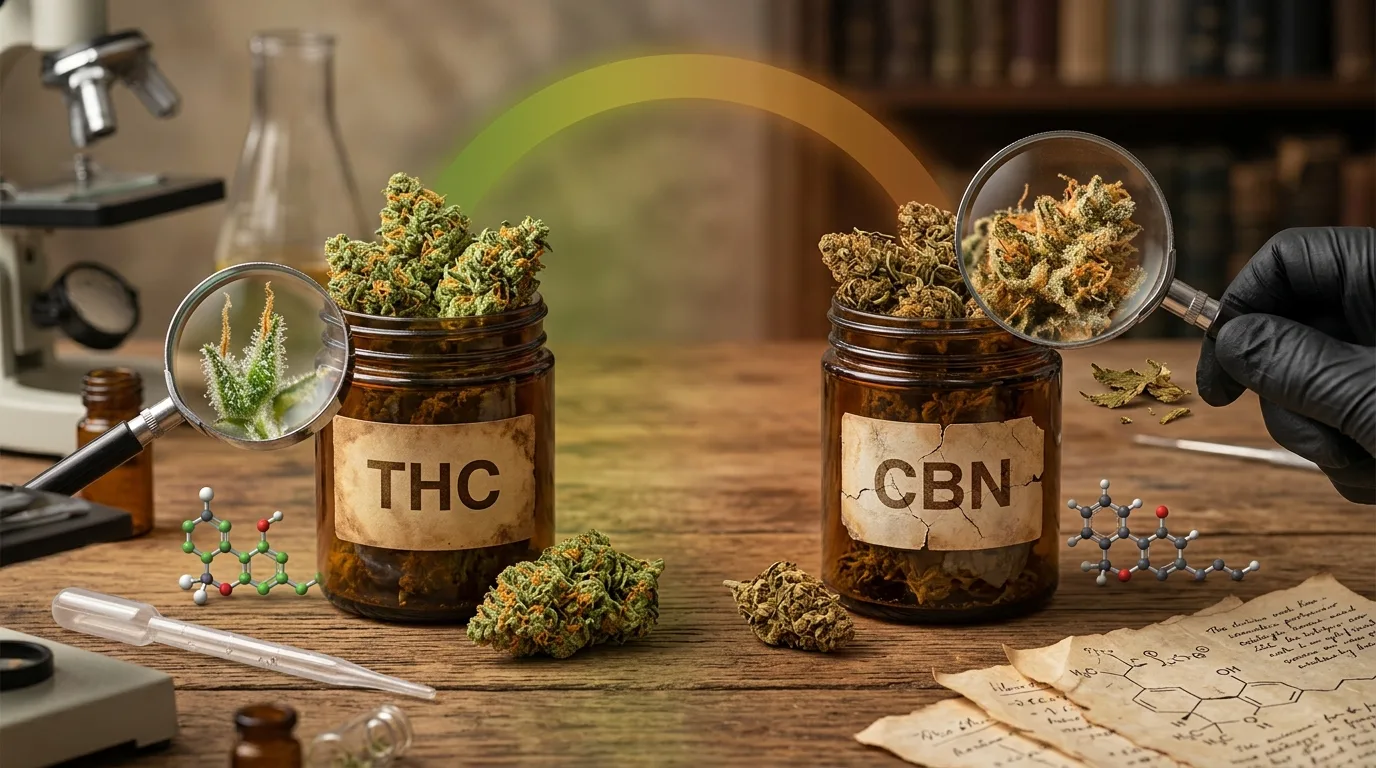
Cannabis flower contains a broad profile of cannabinoids, terpenes, and flavonoids, which contribute to both the therapeutic and psychoactive effects. Extracts, depending on the method of production, may retain this profile (in "full-spectrum" or "broad-spectrum" extracts), or isolate specific compounds (like THC distillate or CBD isolate).
- THC is the main psychoactive component and is responsible for the "high."
- CBD is non-intoxicating and often used for its potential anti-inflammatory, anxiolytic, and anticonvulsant properties.
Some extracts are made to be high in CBD with minimal THC, catering to consumers seeking therapeutic effects without intoxication.
Chemical Composition and Usage Versatility
Beyond potency, extracts differ from flower in their chemical composition and usage:
- Extracts can be ingested orally, vaporized, dabbed, or added to edibles.
- Dried flower is generally smoked or vaporized.
The extraction process can remove unwanted plant material, leaving behind only the active ingredients — ideal for medical patients or precise recreational dosing.
Standardization and Control
Legal cannabis extracts in Canada must adhere to strict Health Canada regulations under the Cannabis Act. This includes limits on residual solvents, labelling requirements, and mandatory third-party testing. While dried flower also undergoes testing, extracts offer more standardized cannabinoid content, which can be particularly useful for medical users.
In conclusion, cannabis extracts offer a potent, versatile, and standardized alternative to traditional flower. However, the increased potency also demands greater awareness, especially for newer users. Understanding these differences helps Canadians make informed, responsible decisions about their cannabis use.
How are cannabis extracts made using modern extraction methods?
Forget backyard DIY hash. Today's cannabis extracts are the result of highly engineered extraction methods, refined under Canada's regulated cannabis market. These methods ensure both safety and consistency while delivering high-purity cannabinoid products.
Common Extraction Techniques in Canada
The modern cannabis industry uses several extraction methods, each with its advantages and limitations. Among the most prominent in legal Canadian operations:
- Hydrocarbon Extraction (BHO): Uses butane or propane as solvents. Highly efficient at preserving terpenes, but requires expert handling to remove residual solvents.
- CO₂ Extraction: Uses pressurized carbon dioxide in a supercritical state. It's clean, non-toxic, and allows for precise targeting of cannabinoids and terpenes.
- Rosin Pressing: A solventless method using heat and pressure to squeeze cannabinoids and terpenes from flower or hash. Often preferred by consumers seeking a more natural, solvent-free product.
Comparison Table: Extraction Methods
| Method | Solvent Used | Terpene Retention | Safety Profile | Common Products |
|---|---|---|---|---|
| Hydrocarbon (BHO) | Butane/Propane | High | Moderate (needs purging) | Shatter, Wax, Budder |
| CO₂ Extraction | CO₂ | Medium | High (non-toxic) | Oils, Vape Cartridges |
| Rosin Press | None (Heat Only) | High | Very High (solventless) | Rosin, Live Rosin |
Industry Regulations and Standards
Health Canada sets strict requirements for extraction methods, especially where solvents are involved. Licensed producers must:
- Operate in controlled environments with specialized extraction labs.
- Use certified closed-loop systems to prevent solvent leaks and contamination.
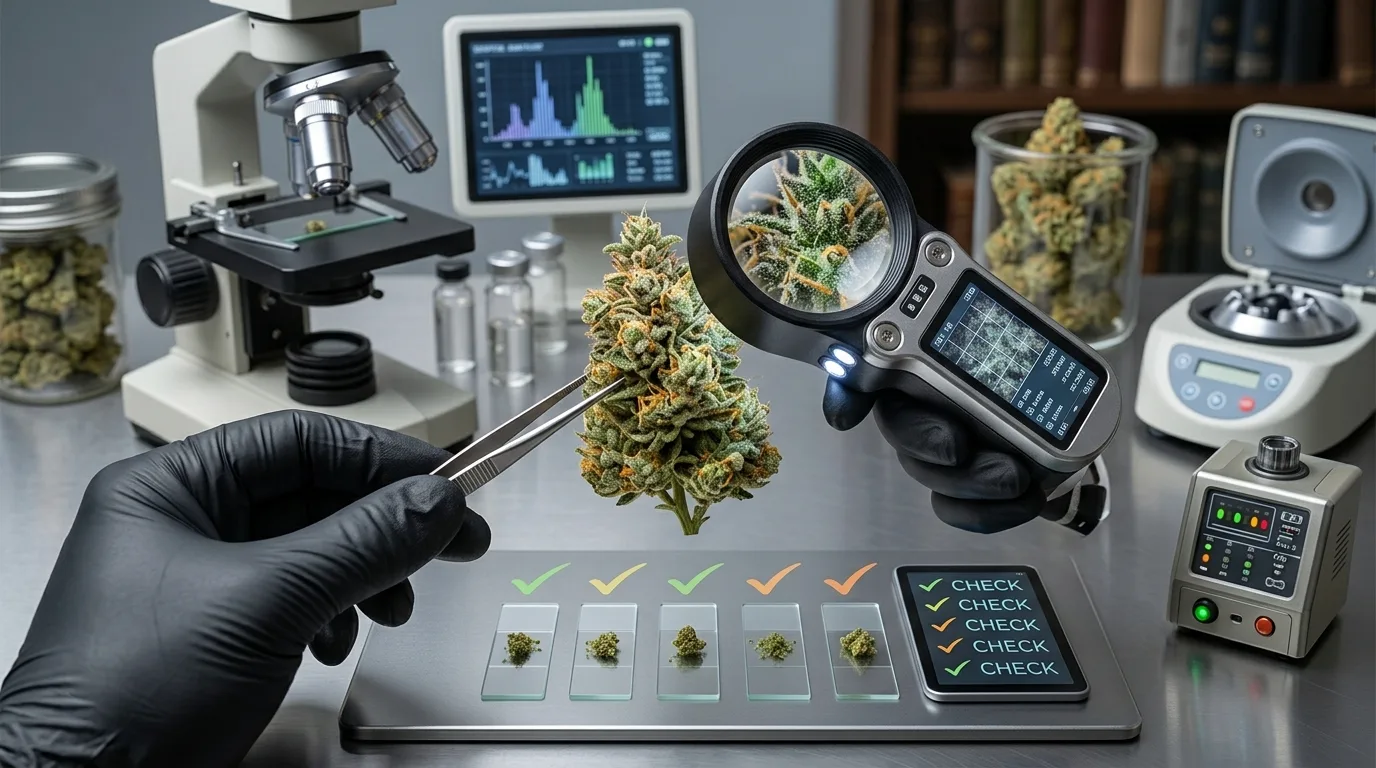
- Conduct Certificate of Analysis (COA) testing for residual solvents and potency.
Producers must adhere to Good Production Practices (GPP) outlined by Health Canada and keep thorough records of every batch processed.
Solvent Residue and Safety Assurance
Solvent-based extracts like BHO must be purged of residual chemicals. COA results must show that solvent levels are below the maximum limits set by Health Canada for each permitted solvent. Failure to comply can result in product recalls or revocation of licences.
Today's consumers benefit from this tightly regulated system — what used to be risky black-market operations are now professional, high-tech, and safety-focused industries.
What are the most common types of cannabis concentrates available in Canada?
The Canadian cannabis market offers a buffet of concentrates — and no, they're not all the same. From sticky waxes to gleaming golden distillate, these products differ in texture, potency, and even flavour profile. Let's dig in.
Popular Concentrate Types
- Shatter
Transparent and brittle, shatter breaks like glass and is known for its high THC content (up to 90%). Usually consumed via dabbing. - Wax and Budder
Opaque and creamy in texture. Wax is softer and can be easier to handle than shatter. Budder has a whipped consistency and retains more terpenes. - Live Resin
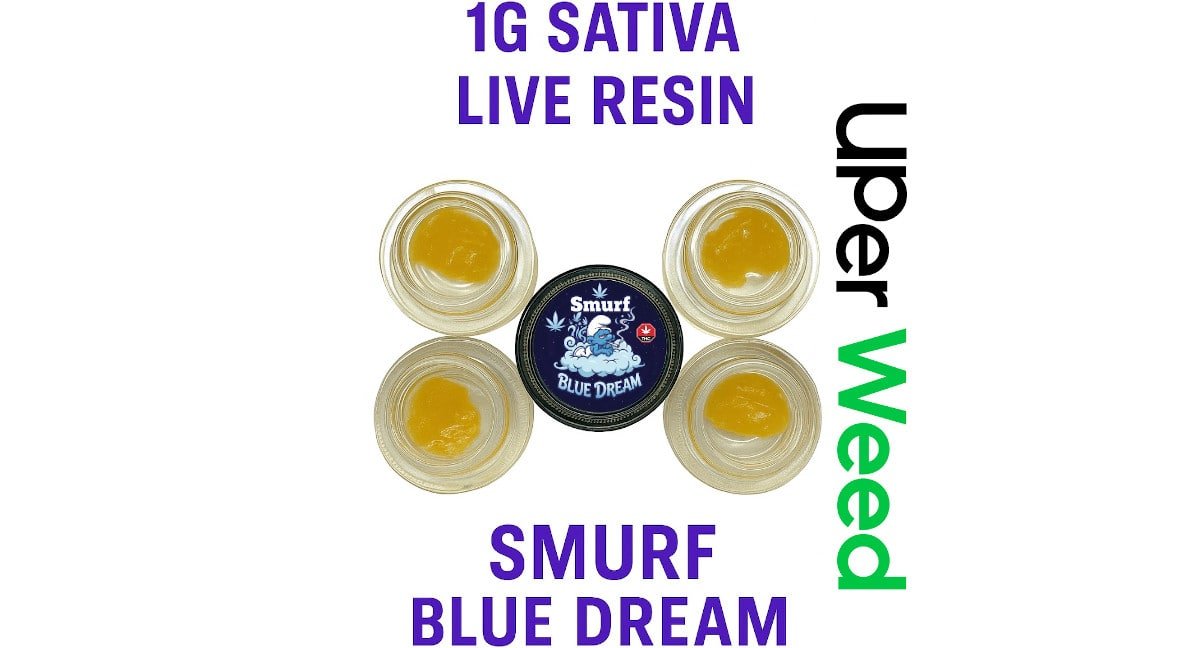
Made from fresh frozen plants, preserving more aromatic compounds. Known for its rich flavour and strong effects. - Distillate
Highly purified and stripped of most terpenes, distillate delivers potent, near-pure THC or CBD. Often used in vape pens and edibles. - Rosin and Live Rosin
Solvent-free products made with heat and pressure. Rosin is pressed from dry flower or hash, while live rosin uses fresh frozen material.
Concentrate Comparison Table
| Concentrate | Texture | THC Range (%) | Method of Use | Notes |
|---|---|---|---|---|
| Shatter | Glass-like | 70–90% | Dabbing | Stable, long shelf-life |
| Wax/Budder | Soft, Creamy | 65–85% | Dabbing | Easier to dose |
| Live Resin | Sticky | 75–85% | Dabbing/Vaping | High terpene content |
| Distillate | Liquid | 85–95% | Vapes/Edibles | Odourless, tasteless |
| Rosin | Gooey | 60–80% | Dabbing | Solventless, terpene-rich |
Legal Accessibility in Canada
Only licensed producers can manufacture and sell concentrates in Canada. They must comply with:
- Labelling standards for THC/CBD content
- Package size and potency caps (e.g., no more than 1,000 mg THC per unit)
- Provincial distribution and sales rules
Consumers can find these products via government-approved retail stores and websites such as Uper Weed's Concentrates Section.
How do cannabinoids like THC and CBD behave in extracts?
Here's where the science kicks in. Cannabinoids are lipophilic compounds, meaning they bind to fat and interact with our endocannabinoid system. But in extracts, these compounds behave differently depending on how they're refined, isolated, or blended.
Full-Spectrum, Broad-Spectrum, and Isolates
- Full-Spectrum Extracts: Contain all cannabinoids, terpenes, flavonoids, and other plant compounds — creating what's known as the entourage effect.
- Broad-Spectrum Extracts: Similar to full-spectrum, but with THC removed.
- Isolates: Pure compounds like 99%+ THC or CBD, stripped of all other components.
Each format affects the body differently. While isolates provide predictable outcomes, full-spectrum extracts may offer more holistic effects due to synergistic interactions between compounds.
THC Behaviour in Extracts
In high concentrations, THC can cause:
- Euphoria, relaxation, heightened sensory perception
- Anxiety or paranoia in sensitive users
- Increased heart rate and dry mouth
CBD Behaviour in Extracts
CBD often modulates how THC feels for some users, and when used alone, may:
- Help some people feel calmer
- Be studied for potential anti-inflammatory and anti-seizure effects
- Reduce some unwanted THC effects, such as feeling "too high", in certain users
Common Cannabinoid Ratios in Extracts
- 1:1 (THC:CBD): Balanced effects
- 20:1 (CBD-dominant): Minimal high
- 10:1 or 5:1: Light psychoactivity
These ratios are typically labelled clearly on legal products in Canada.
What factors influence the effects of cannabis extracts on the body?
Not all extracts hit the same way. Several biological and product-specific variables influence how cannabis concentrates affect the body.
Bioavailability
Bioavailability refers to how much of a substance actually enters the bloodstream. The route of administration drastically affects this:
- Inhalation (dabbing/vaping): Fast onset (within minutes), bioavailability ~30–50%
- Oral ingestion (capsules/edibles): Slower onset (30–90 mins), bioavailability ~6–20%
- Sublingual (under the tongue): Medium onset (~15 mins), moderate bioavailability
Tolerance and Metabolism
Regular users often develop a tolerance to THC, requiring higher doses for the same effects. Other factors include:
- Body weight and fat content
- Genetic makeup and liver enzyme activity
- Overall health and diet
Dosage and Potency
Higher potency doesn't always mean better outcomes. Overconsumption can lead to adverse effects like anxiety, confusion, or nausea. Beginners should always start low and go slow, particularly with concentrates.
Legal producers are required to include clear dosing guidelines and THC/CBD amounts per serving on packaging, helping consumers make safe choices.
How safe are cannabis extracts when considering solvents and production standards?
The safety of cannabis extracts hinges on production practices, residual solvent limits, and adherence to regulations — all tightly governed in Canada under the Cannabis Act.
Residual Solvent Risks
During extraction, solvents like butane, propane, and ethanol are commonly used. If not properly purged, they can leave behind residues harmful to human health. Inhalation or ingestion of solvent-contaminated extracts can result in respiratory issues or toxic exposure.
Health Canada sets strict maximum limits for residual solvents in cannabis products and only permits certain solvents, such as butane, propane, ethanol and heptane, when final products test below those limits. Licensed producers must ensure that every batch meets these thresholds before it can be sold.
COA Testing and Transparency
COAs are not just a regulatory formality — they're an essential safety check. These certificates confirm:
- THC/CBD potency
- Presence of residual solvents
- Heavy metal screening
- Pesticide contamination levels
Products sold on legal platforms in Canada must be tested and have a valid Certificate of Analysis (COA) on file. Many licensed producers and retailers also give consumers access to COAs through packaging details, QR codes or online listings.
Production Facility Standards
Health Canada enforces Good Production Practices (GPP), which mandate:
- Sealed, ventilated extraction rooms
- Trained extraction technicians
- Traceability of all batches
- Secure storage of hazardous solvents
Companies that fail GPP audits may lose their licence or face costly recalls.
Consumer Considerations
To ensure safety:
- Buy only from licensed retailers
- Review lab results (COAs)
- Avoid products with unclear origin or no lab data
Extracts from the illicit market pose higher risks due to a lack of oversight, questionable ingredients, and the absence of testing.
How should beginners approach dosing and ingestion of cannabis extracts?
Let's be honest — cannabis extracts can hit hard. For beginners, the key to a safe and comfortable experience lies in slow, controlled dosing and understanding how different methods work.
Step-by-Step Guide for Beginners
- Start Low
Choose a low-dose product (e.g., 1–5 mg THC per dose). - Choose a Familiar Format
Oils or capsules are more beginner-friendly than dabbing or vaping. - Read the Label
Confirm THC/CBD content per serving. For example, a 1 mL syringe might contain 20 mg THC — don't assume it's all safe at once. - Wait and Monitor
If taken orally, wait at least 90 minutes before considering another dose. Effects may take time. - Document Your Experience
Keep notes on how you felt at specific doses. This helps in adjusting future use.
Dosing Tips Based on Ingestion Method
| Method | Onset Time | Duration | Beginner-Friendly? |
|---|---|---|---|
| Oral (capsules, oil) | 30–90 min | 4–8 hours | Yes |
| Sublingual (under tongue) | 15–30 min | 2–4 hours | Yes |
| Inhalation (dabbing, vaping) | 1–5 min | 1–3 hours | No (for most beginners) |
Avoiding Overconsumption
Even seasoned users can misjudge extract strength. To avoid negative effects:
- Do not redose early — especially with edibles or oil
- Avoid mixing with alcohol or other substances
- Be in a comfortable setting with people you trust
Legal cannabis extracts in Canada must include clear dosing guidelines and warnings — follow them closely.
How can consumers check the safety and quality of legal cannabis extracts in Canada?
You don't need to be a chemist to understand extract safety. Legal Canadian products are labelled and regulated to help consumers verify quality and legitimacy.
What to Look For on the Label
Every licensed cannabis product must display:
- THC and CBD content per unit and per package
- Lot/batch number for traceability
- Warning symbols and health messages
- Expiration or packaging date
Also look for the Excise Stamp — a coloured tax seal indicating the product meets federal standards.
Understanding the Certificate of Analysis (COA)
COAs verify lab test results. They often include:
- Cannabinoid profile (THC, CBD, CBG, etc.)
- Terpene content (if applicable)
- Microbial, pesticide, and solvent screening
Some producers publish COAs on their websites or embed QR codes on packaging linking to results. Ask your retailer if unsure.
Buy from Licensed Sources Only
Avoid products from:
- Social media marketplaces
- Grey-market websites
- Unregulated mail-order dispensaries
Instead, purchase from provincially licensed retailers, including regulated online stores like Uper Weed.
What role does oral absorption play in cannabis extract effectiveness?
Oral absorption is more complex than it seems — and it's a major reason why people report very different effects from the same cannabis extract.
Sublingual vs Swallowed
- Sublingual ingestion (placing oil under the tongue) allows cannabinoids to enter the bloodstream quickly through mucous membranes, avoiding the liver. Effects are faster (15–30 mins) and sometimes stronger.
- Swallowed ingestion (like capsules or edibles) sends cannabinoids through the digestive tract and liver, where THC is metabolized into 11-hydroxy-THC — a more potent compound that causes stronger, longer-lasting effects.
Why Does It Matter?
- Faster onset = more control. Sublingual lets you stop or adjust quickly.
- Stronger high = more caution. Swallowed THC can last up to 8 hours.
Influencing Factors
- Empty vs full stomach: A full stomach slows absorption
- Lipid content of the meal: Cannabinoids bind to fat, improving absorption
- Personal metabolism: Everyone's endocannabinoid system responds differently
Understanding these differences helps users match their method to their desired experience — whether that's discreet pain relief or a long-lasting high.
How do cannabis extracts compare to pre-rolls for convenience and potency?
On the surface, it's flower vs concentrate — but in the Canadian market, pre-rolls and extracts serve very different purposes.
Potency Showdown
- Pre-rolls: Contain ground cannabis flower, typically 10–25% THC.
- Extracts: Range from 60% to over 90% THC.
That means a single dose of extract can be equivalent to several pre-roll puffs, making extracts more cost-effective per mg of THC — but also riskier for beginners.
| Product | THC Range (%) | Convenience Level | Use Scenario |
|---|---|---|---|
| Pre-roll | 10–25% | Very High | Social use, easy to share |
| Extract Oil | 20–70% | High | Discreet, precise, long-lasting |
| Distillate Vape | 85–95% | Very High | Fast-acting, portable |
| Shatter/Wax | 70–90% | Low–Medium | Requires dab rig |
Convenience and Use
- Pre-rolls: Ready-to-use, familiar format, easy to share. However, combustion produces carcinogens and odour.
- Extracts: Cleaner (vapour or oral), discreet, and portable — but may require accessories like a dab pen or vape cart.
Cost and Efficiency
Extracts often deliver better value per milligram of THC or CBD. For example, 1 gram of 90% THC extract contains 900 mg of THC, while a 1-gram pre-roll with 20% THC offers only 200 mg.
Bottom line: If you're looking for quick, familiar, social-friendly use, pre-rolls win. If you're aiming for precision, discretion, and high potency, extracts dominate.
What should Canadians know about the legal status of cannabis extracts nationwide?
In Canada, the legal landscape for cannabis — including extracts — is carefully regulated under the Cannabis Act, which came into effect on October 17, 2018. While cannabis is federally legal, there are distinct rules across provinces and territories, making it essential for Canadians to understand both federal and local laws.
Federal Regulations: The Cannabis Act
Under the Cannabis Act, cannabis extracts are legal for:
- Personal possession in public, as long as the total amount of cannabis does not exceed the equivalent of 30 grams of dried cannabis (for concentrates, 1 gram of extract counts as 4 grams of dried cannabis).
- Sale by licensed retailers
- Production by licensed processors
All extracts must:
- Be tested by licensed labs for potency, purity, and contaminants
- Be sold in child-resistant, tamper-evident packaging
- Display clear labelling for THC/CBD content and health warnings
Possession and Purchase Limits
Cannabis extracts are subject to dried-cannabis equivalency rules. For example, 1 gram of cannabis concentrate counts as 4 grams of dried cannabis toward the 30-gram public possession limit. If you are carrying only extracts, that works out to a maximum of 7.5 grams of concentrates in public.
Consumers can purchase from provincially approved online stores and licensed brick-and-mortar retailers.
Provincial Variations
Each province sets additional rules. For example:
- Ontario: Sold through the Ontario Cannabis Store and licensed retailers
- British Columbia: BC Cannabis Stores and private retailers
- Quebec: SQDC controls all sales; limited product selection
- Alberta: Alberta Cannabis and licensed retailers
Other restrictions include:
- Minimum age: 18–21, depending on the province
- Consumption zones: Limited to private residences in some areas
- Public possession: Must comply with federal limits
For the most accurate info, consult your provincial cannabis authority.
Importing and Exporting
It is illegal to bring cannabis extracts across international borders, even into countries where cannabis is legal. Violations can lead to criminal charges.
Cannabis products, including extracts, may only be exported by licensed Canadian producers for medical or scientific purposes under special permits.
Enforcement and Penalties
Selling or possessing unlicensed cannabis extracts can result in:
- Fines
- Criminal charges
- Seizure of product
For full legal details, visit justice.gc.ca and your local provincial website.
Conclusion: What are the key points Canadians should remember about cannabis extracts?
Navigating the world of cannabis extracts in Canada requires more than curiosity — it demands informed, responsible decisions. Here's what every Canadian should keep in mind:
Key Takeaways
- Extracts are highly potent: Often 3–4x stronger than flower. Start low and go slow.
- Many forms available: Shatter, oil, wax, live resin, distillate, rosin — each with unique use cases.
- Legally regulated: Only purchase from licensed sources. Look for THC/CBD content, expiry, and COA data.
- Extraction methods matter: CO₂, hydrocarbon, and rosin all affect purity and safety.
- Oral absorption varies: Sublingual methods are faster; swallowed doses can be stronger and last longer.
- Extracts aren't for everyone: Beginners should exercise caution with dosing.
Summary Table: Cannabis Extract Types
| Type | THC Range (%) | Common Use | Beginner-Friendly? |
|---|---|---|---|
| Shatter/Wax | 70–90% | Dabbing | No |
| Rosin/Live Rosin | 60–85% | Dabbing/Vaping | No |
| Oil | 20–70% | Oral/Sublingual | Yes |
| Distillate | 85–95% | Vape Pens/Edibles | Moderate |
Final Recommendations
- Check labels for accurate THC/CBD ratios
- Use with intention: know your limits and method
- Always buy from a legal, licensed retailer like Uper Weed
Bibliography
- Health Canada
- Canadian Centre on Substance Use and Addiction
- Justice Canada
- Canadian Institutes of Health Research
- Uper Weed
- "Cannabis: Evolution and Ethnobotany" by Mark Merlin & Robert Clarke
- Leafly.ca – Educational resources and product data
- StratCann – Canadian cannabis industry news and analysis
- PubMed – Relevant scientific publications and clinical trials
FAQ: Cannabis Extracts in Canada
Yes. Cannabis extracts are legal across Canada under the Cannabis Act. Adults may possess up to the dried-cannabis equivalent of 30 grams in public (1 gram of extract = 4 grams of dried cannabis). Extracts must be purchased from provincially licensed retailers and must meet strict Health Canada testing requirements for potency, contaminants, and packaging.
For most beginners, yes — extracts can feel overwhelming. Many concentrates range from 60% to 90%+ THC, which is several times stronger than dried flower. New users are generally advised to start with low-dose oils or capsules (1–5 mg THC), not dabs or high-potency vapes.
- Full-spectrum extracts include a range of cannabinoids and terpenes, supporting the "entourage effect."
- Broad-spectrum extracts contain multiple cannabinoids and terpenes but have THC removed.
- Distillate is a purified, nearly single-compound extract (usually THC or CBD) with most terpenes removed.
Each option produces different effects depending on composition and potency.
Yes, when purchased legally. Licensed producers must use approved solvents (such as butane, propane, and ethanol) in professional closed-loop systems and must test every batch to ensure residual solvents fall below Health Canada's maximum limits. Illicit-market extracts do not undergo this testing and may pose safety risks.